Amazon Parrots (Genus: Amazona): Complete Avicultural Reference
Species Quick Facts
| Scientific Name | Genus Amazona |
| Common Name | Amazon Parrots |
| Number of Species | 30+ recognized species |
| Length | 30–40 cm |
| Weight | 350–600 g |
| Lifespan | 40–50 years (captivity) |
| Native Range | Central & South America, Caribbean |
| Diet | Fruits, seeds, nuts, vegetation |
| Avicultural Status | Many species maintained in aviculture |
Introduction / Overview
Amazon parrots are among the most recognizable and widely kept parrots in aviculture. Known for their vibrant green plumage, strong personalities, and powerful voices, these birds have long been admired for their intelligence, social behavior, and remarkable vocal abilities.
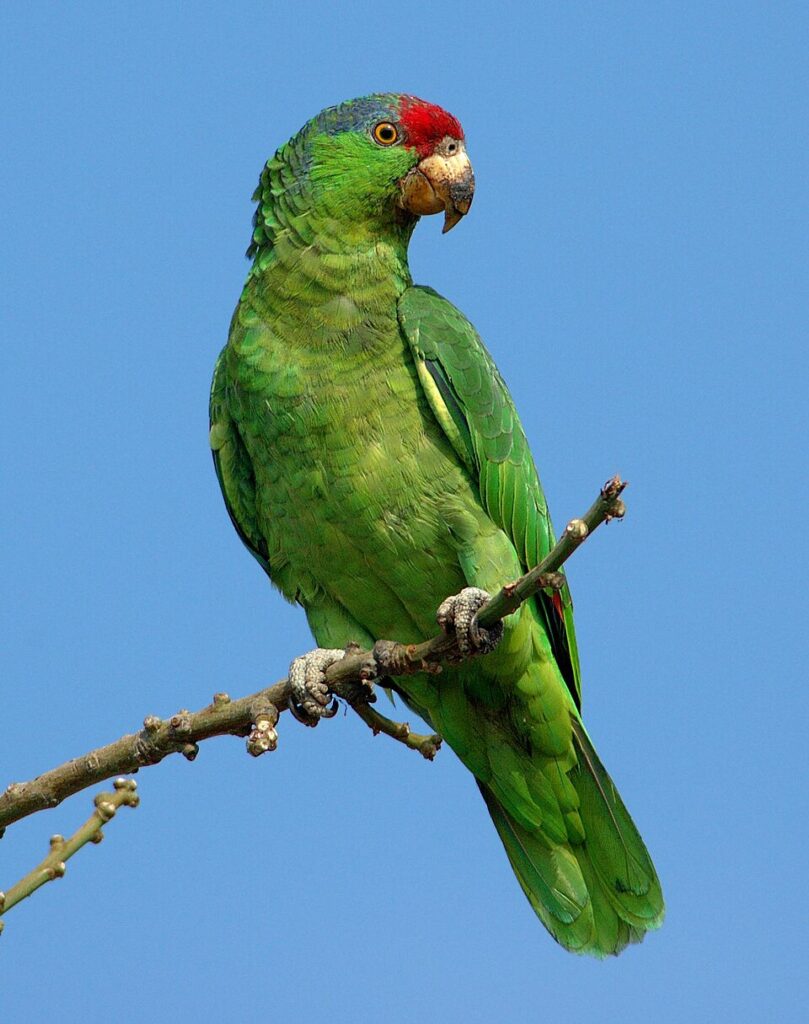
The genus Amazona includes more than thirty species distributed across Central America, South America, and parts of the Caribbean. Although most species share a predominantly green body color, they are often distinguished by bright markings on the head, wings, or shoulders.
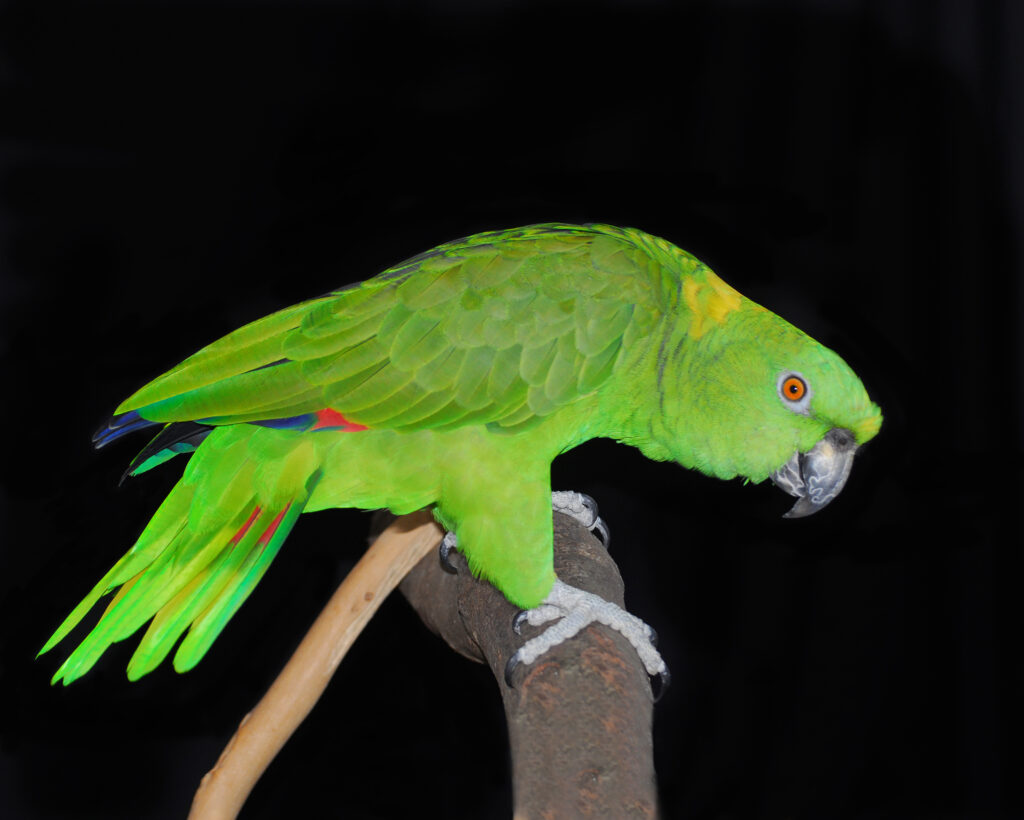
Some of the most familiar species in aviculture include the Yellow-headed Amazon, the Blue-fronted Amazon, and the Yellow-naped Amazon. These parrots are especially known for their ability to imitate human speech and develop strong bonds with their caretakers.
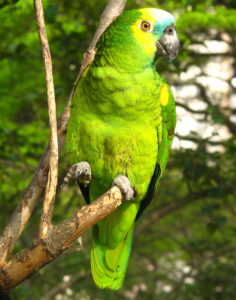
Adult Amazon parrots generally measure 30–40 cm in length and weigh 350–600 grams, depending on the species. They possess a sturdy body, relatively short square tail, and a powerful hooked beak adapted for cracking seeds, nuts, and fruits.
Their intelligence, longevity, and expressive personalities have made Amazon parrots a cornerstone of aviculture for many generations.
Historical Background
Amazon parrots have been associated with humans for centuries. Indigenous cultures throughout Central and South America kept parrots and valued their brightly colored feathers for decorative and ceremonial purposes.
Following European exploration of the Americas during the 15th and 16th centuries, parrots were transported to Europe where they quickly became prized exotic pets among nobility and collectors.
During the development of scientific natural history in the 18th century, many parrot species were formally described and classified. The taxonomic system introduced by Carl Linnaeus helped establish the scientific naming conventions used for parrots today.
By the late nineteenth and early twentieth centuries, Amazon parrots had become common residents of zoological collections and private aviaries. As aviculture developed, breeders began documenting their reproductive behavior and improving captive breeding methods.
Today several Amazon species are successfully bred in captivity, helping to maintain stable avicultural populations.
Breeding & Husbandry Insights
Proper husbandry of Amazon parrots requires understanding their active nature and strong social instincts.
- Housing: Amazon parrots benefit from spacious enclosures or aviaries that allow climbing and wing exercise. Enclosures should include multiple perches of varying diameter, natural branches, and enrichment materials for chewing and exploration. These birds are energetic and inquisitive, and environmental enrichment plays an important role in maintaining psychological well-being.
- Socialization: Amazon parrots are highly social birds that thrive on interaction. Many individuals form close bonds with their caretakers and enjoy regular communication and training sessions. Consistent positive interaction helps reduce behavioral problems and encourages trust.
- Breeding: Captive breeding usually involves establishing compatible pairs and providing a suitable nest cavity.
Typical breeding parameters include:
-
Clutch size: usually 2–4 eggs
-
Incubation period: approximately 26–28 days
-
Fledging period: about 8–10 weeks depending on species
Nest boxes designed to mimic natural tree cavities are commonly used. Breeding pairs benefit from privacy and minimal disturbance during incubation and chick rearing.
Nutrition & Health Trends
Nutritional practices for Amazon parrots have improved significantly in modern aviculture.
- Traditional Diets: Historically, many parrots were maintained on seed-heavy diets, particularly sunflower seeds. While readily accepted, such diets often resulted in excessive fat intake and nutritional imbalance.
- Modern Dietary Approaches: Contemporary husbandry emphasizes a more balanced and varied diet that may include:
(a). formulated pelleted foods
(b). fresh vegetables and leafy greens
(c). fruits in moderation
(d). limited seeds and nuts as treats
Amazon parrots can be prone to weight gain, so balanced nutrition and controlled portions are particularly important.
Proper diet contributes to healthy feather condition, stable energy levels, and overall well-being.
Modern Challenges
Amazon parrots face several challenges both in the wild and in captivity.
- Habitat Loss: Deforestation across parts of Central and South America has reduced natural nesting areas for some Amazon species.
- Wildlife Trade: Historically, large numbers of parrots were captured for international trade. Today, global regulations help control and monitor the movement of parrots across borders. International agreements such as the Convention on International Trade in Endangered Species of Wild Fauna and Flora regulate the international trade of many parrot species and support conservation efforts.
- Behavioral Management: Because Amazon parrots are intelligent and emotionally complex birds, they require mental stimulation and social engagement. Without adequate enrichment they may develop behavioral problems such as excessive screaming, aggression, or feather damage.
Responsible aviculture focuses on enrichment, ethical breeding practices, and long-term welfare of captive birds.
References & Covered Topics
This article synthesizes historical records, avicultural observations, and modern husbandry knowledge relating to Amazon parrots.
Topics covered include:
-
-
Overview of the Amazon parrot genus
-
Historical interaction between humans and Amazon parrots
-
Breeding and husbandry practices in aviculture
-
Nutrition and dietary trends
-
Conservation and welfare considerations
-
Note: All information on this page is original synthesis — no copyrighted text from books or articles has been used.