
African Grey Parrots (Psittacus erithacus & Psittacus timneh): Complete Avicultural Reference
Species Quick Facts
| Scientific Name | Psittacus erithacus |
| Common Subspecies | Congo African Grey, Timneh African Grey |
| Length | 22–33 cm |
| Weight | 350–450 g |
| Lifespan | 40–60 years (captivity) |
| Native Range | Central & West Africa |
| Diet | Seeds, fruits, nuts, vegetation |
| Avicultural Status | Widely kept and bred in captivity |
Introduction / Overview
African Grey parrots are widely recognized as one of the most intelligent and social parrot species kept in captivity. They are famous for their ability to mimic human speech, their problem-solving skills, and complex social behaviors. Two primary subspecies exist in aviculture: the Congo African Grey (Psittacus erithacus erithacus) and the Timneh African Grey (Psittacus erithacus timneh).
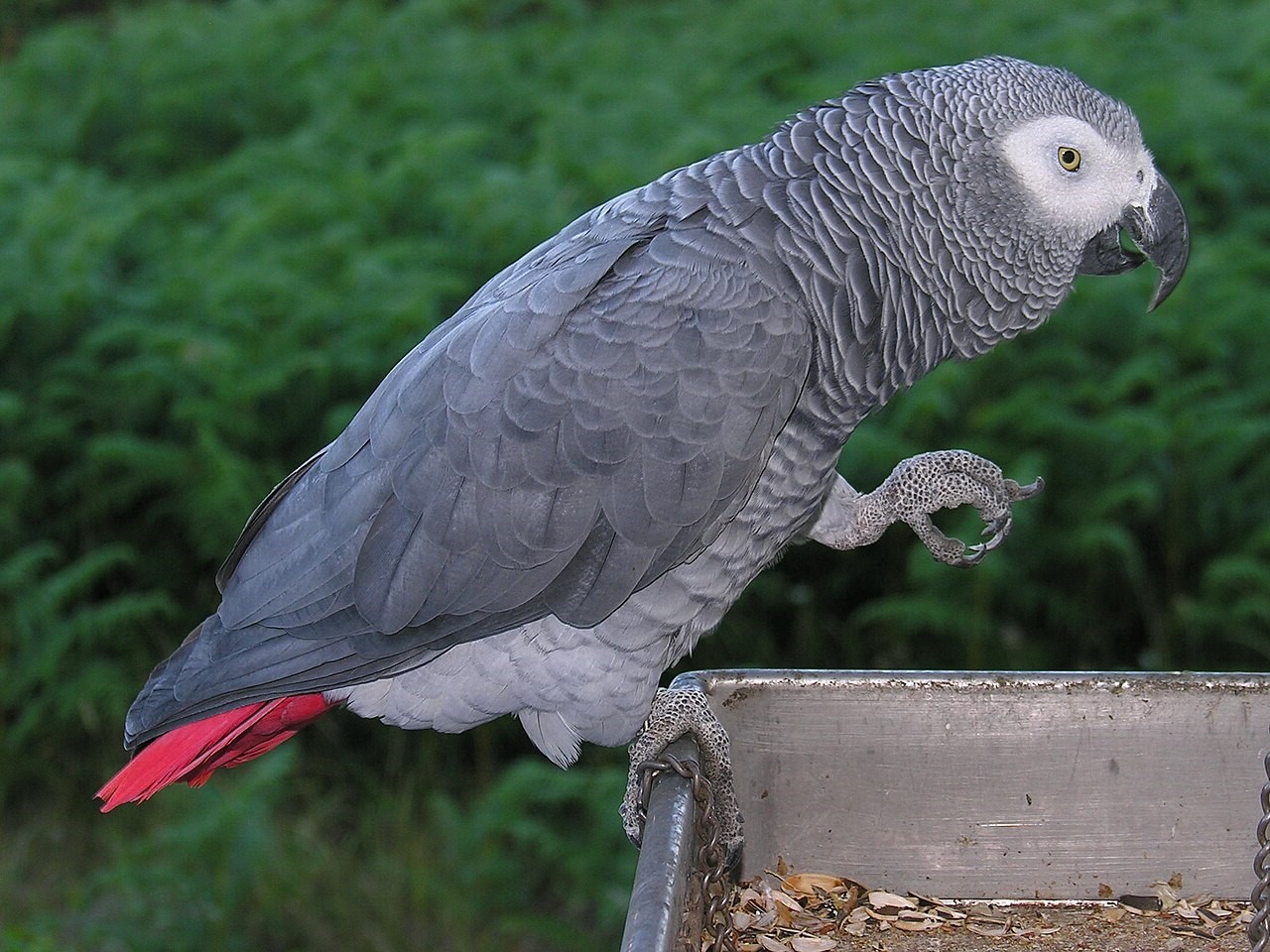
Congo Grey Parrot is slightly larger with about 33cm in length and weighing around 400 grams.
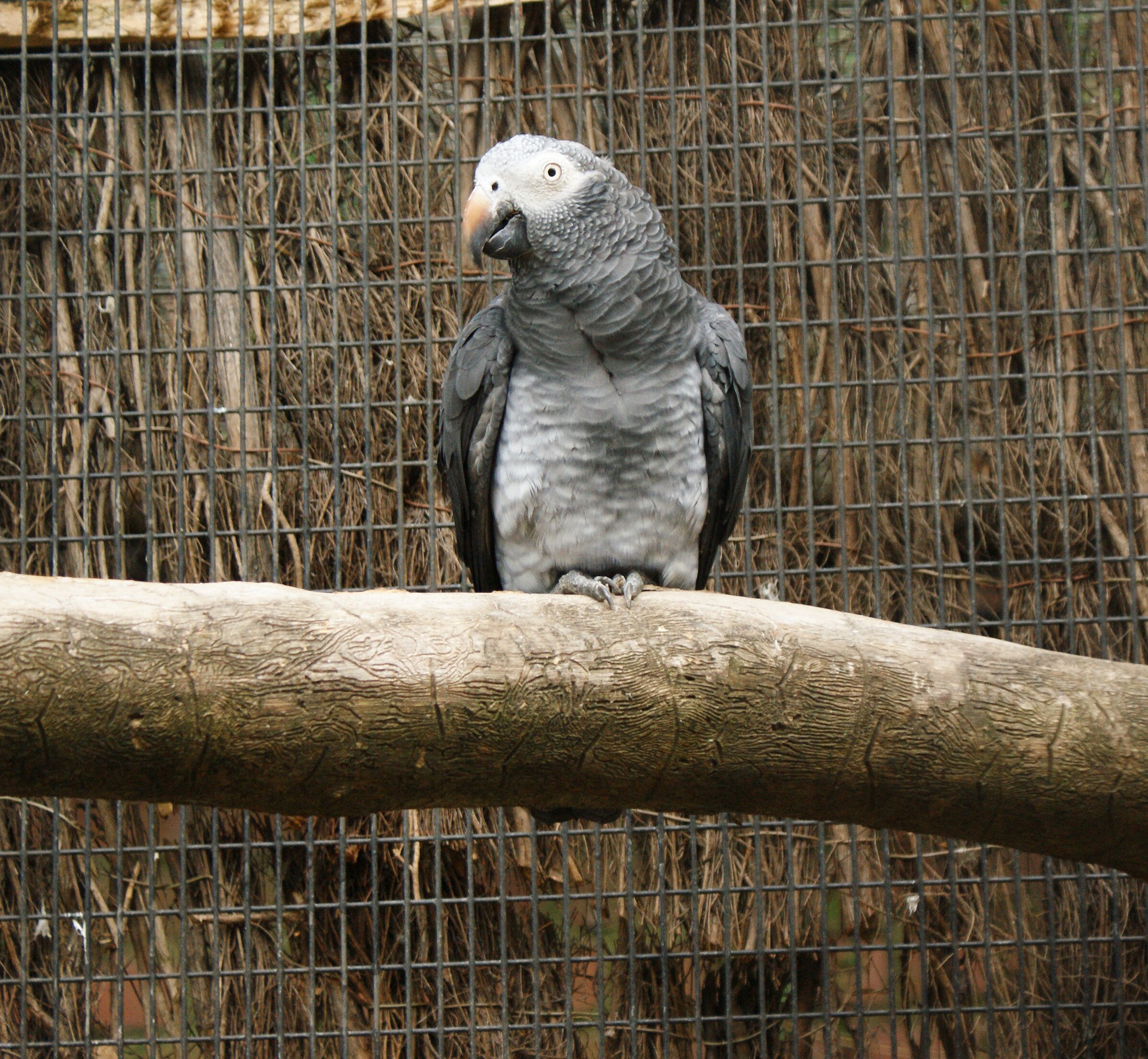
Slightly smaller, Timneh Grey Parrot is about 22-28cm in length and weighs around 275-375 grams. It has darker plumage including the maroon tail, and a differently-colored upper beak.
These birds have been observed and kept in human care for centuries, forming a cornerstone of parrot breeding, training, and behavioral study. This article consolidates historical and modern knowledge about African Greys, covering their history, captive care, breeding, nutrition, and modern challenges.
Historical Background
African Grey parrots have a long history of interaction with humans. Early records indicate they were kept by European royalty as early as the 15th and 16th centuries — for example, King Henry VIII of England reportedly kept a talking African Grey. Explorers brought these parrots from West Africa during the Age of Discovery.
The 18th and 19th centuries marked the beginning of documented aviculture and systematic breeding in Europe, with importation, observation, and early captive breeding programs becoming more structured.
-
Congo Grey: Native to the rainforests of central Africa, it became the primary subspecies in early European collections.
-
Timneh Grey: Smaller and darker, native to western Africa, it entered aviculture slightly later and is prized for its calmer temperament and striking coloration.
Captive breeding programs in the 20th century helped sustain populations outside the wild, and today African Greys are among the most studied and beloved parrot species worldwide.
Breeding & Husbandry Insights
Successful care of African Greys requires attention to their social, environmental, and dietary needs:
-
Housing: Spacious cages with multiple perches and enrichment toys are essential. Both subspecies are active and require opportunities to climb and fly short distances.
-
Socialization: African Greys are highly social and bond closely with their human caregivers. Regular interaction, mental stimulation, and gentle training are important to prevent behavioral issues.
-
Breeding: Captive breeding requires understanding their natural reproductive cycles. Nest boxes should mimic natural cavities, and breeding pairs need privacy and minimal stress. Clutch size is typically 2–3 eggs, with an incubation period of approximately 28–30 days.
Nutrition & Health Trends
Proper nutrition is critical for health, cognitive function, and longevity:
-
Diet Evolution: Historically, African Greys were fed mainly seeds, which often led to nutritional imbalances. Modern care emphasizes pelleted diets supplemented with fresh fruits, vegetables, and occasional nuts.
-
Calcium & Vitamin D: These nutrients are especially important to support bone health and prevent feather plucking.
-
Behavioral Effects: Adequate nutrition contributes to mental sharpness, speech mimicry, and reduced anxiety.
Modern Challenges
African Grey parrots face several contemporary issues in captivity and the wild:
-
Ethical Considerations: Illegal trade and habitat loss in Africa historically threatened wild populations, making captive breeding programs vital.
-
Behavioral Challenges: Without proper mental stimulation, African Greys can develop stereotypic behaviors, aggression, or feather plucking.
-
Conservation & Compliance: Responsible breeders and owners adhere to international regulations, including CITES, to ensure sustainable practices.
References & Covered Topics
This article is based on historical records, avicultural studies, and decades of practical experience with African Grey parrots. Topics included in this article:
-
History of African Grey parrots in captivity
-
Breeding and husbandry insights for Congo and Timneh African Greys
-
Nutrition, health, and behavioral enrichment strategies
-
Modern challenges and conservation considerations
Note: All information on this page is original synthesis — no copyrighted text from books or articles has been used.