Aviculture to the Rescue : Stories of Bird Species Saved from Extinction Through Captive Breeding
Aviculture has played a pivotal role in preventing the extinction of some of the world’s rarest birds. Several species were reduced to only a few individuals in the wild and would have disappeared entirely without dedicated human intervention, captive breeding, and carefully managed reintroduction programs.
1. California Condor — Gymnogyps californianus
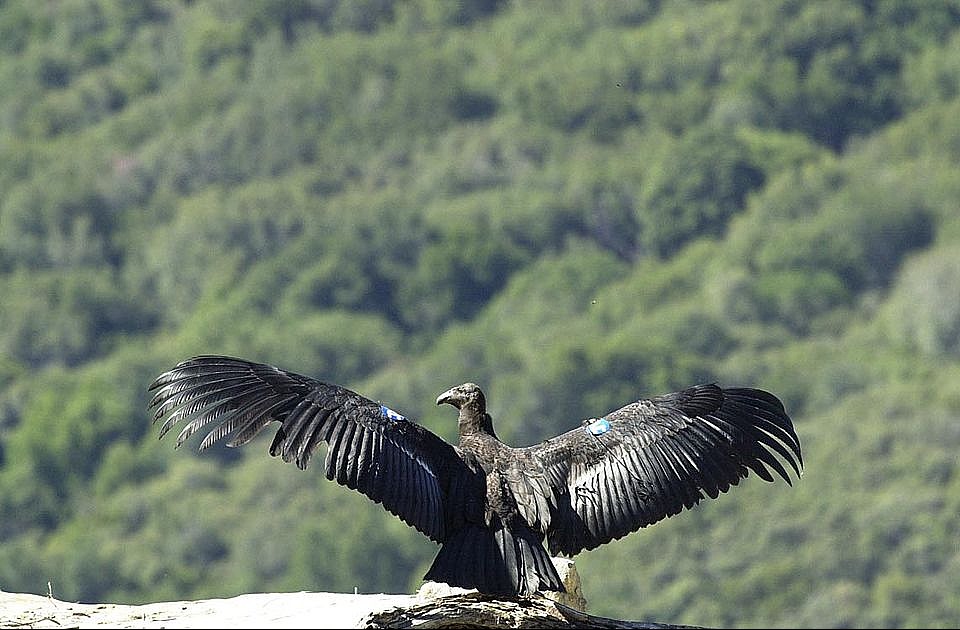
By 1987, only 27 California condors remained in the wild due to hunting, habitat loss, and lead poisoning. All surviving individuals were captured and bred in managed programs across multiple zoos, providing the foundation for reintroduction efforts. Today, over 560 California condors exist worldwide, with both wild and captive populations, demonstrating the success of aviculture in reversing near-extinction.
2. Nēnē (Hawaiian Goose) — Branta sandvicensis
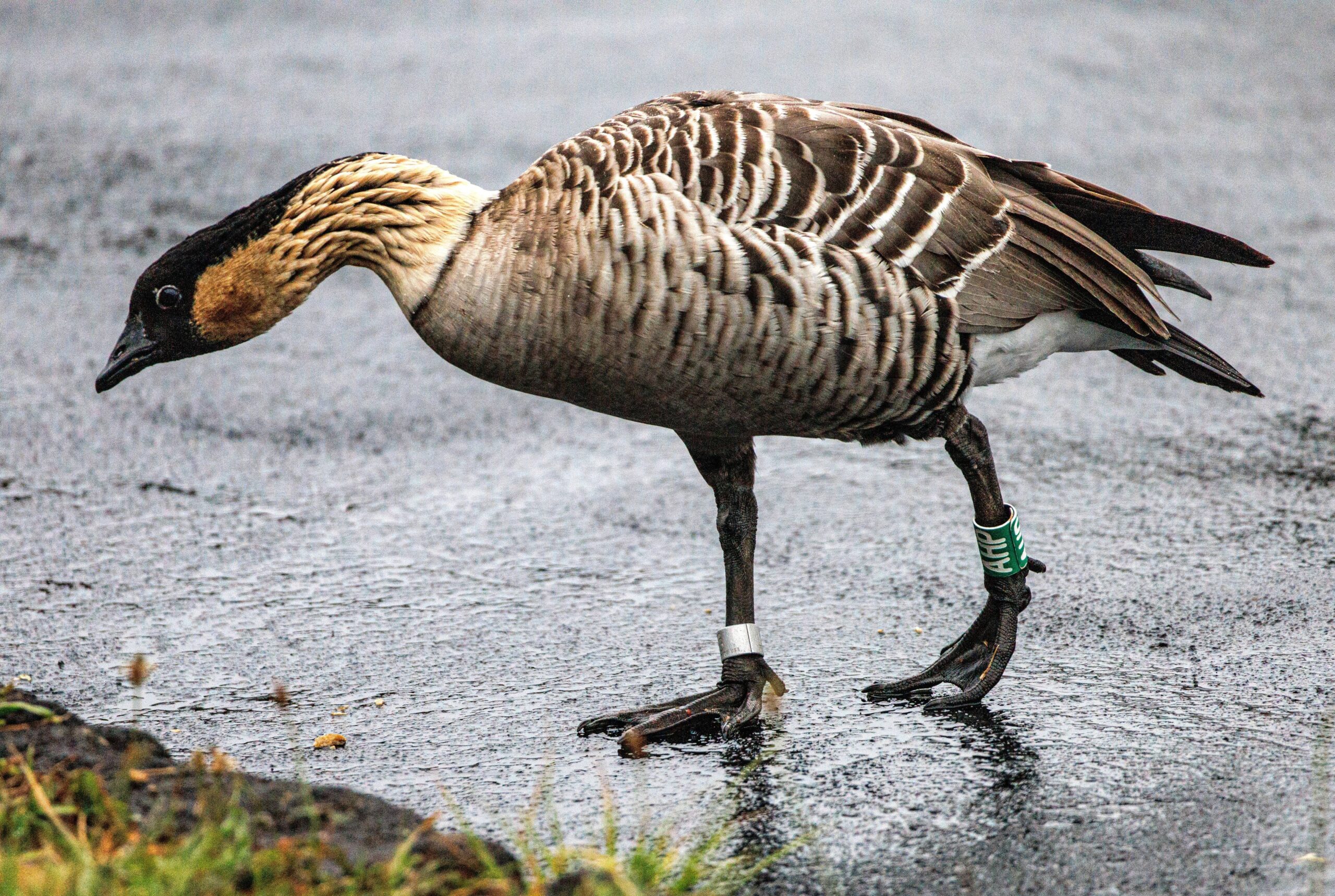
The nēnē faced a dire situation in the 1950s, with fewer than 35 individuals surviving due to habitat loss and introduced predators. Captive breeding began in the late 1940s, with reintroduction programs starting around 1960. Combined with habitat protection and predator management, these efforts allowed the species to rebound dramatically. In 2022, the nēnē population was estimated at approximately 3,862 birds statewide, a remarkable recovery from near annihilation.
3. Mauritius Kestrel — Falco punctatus
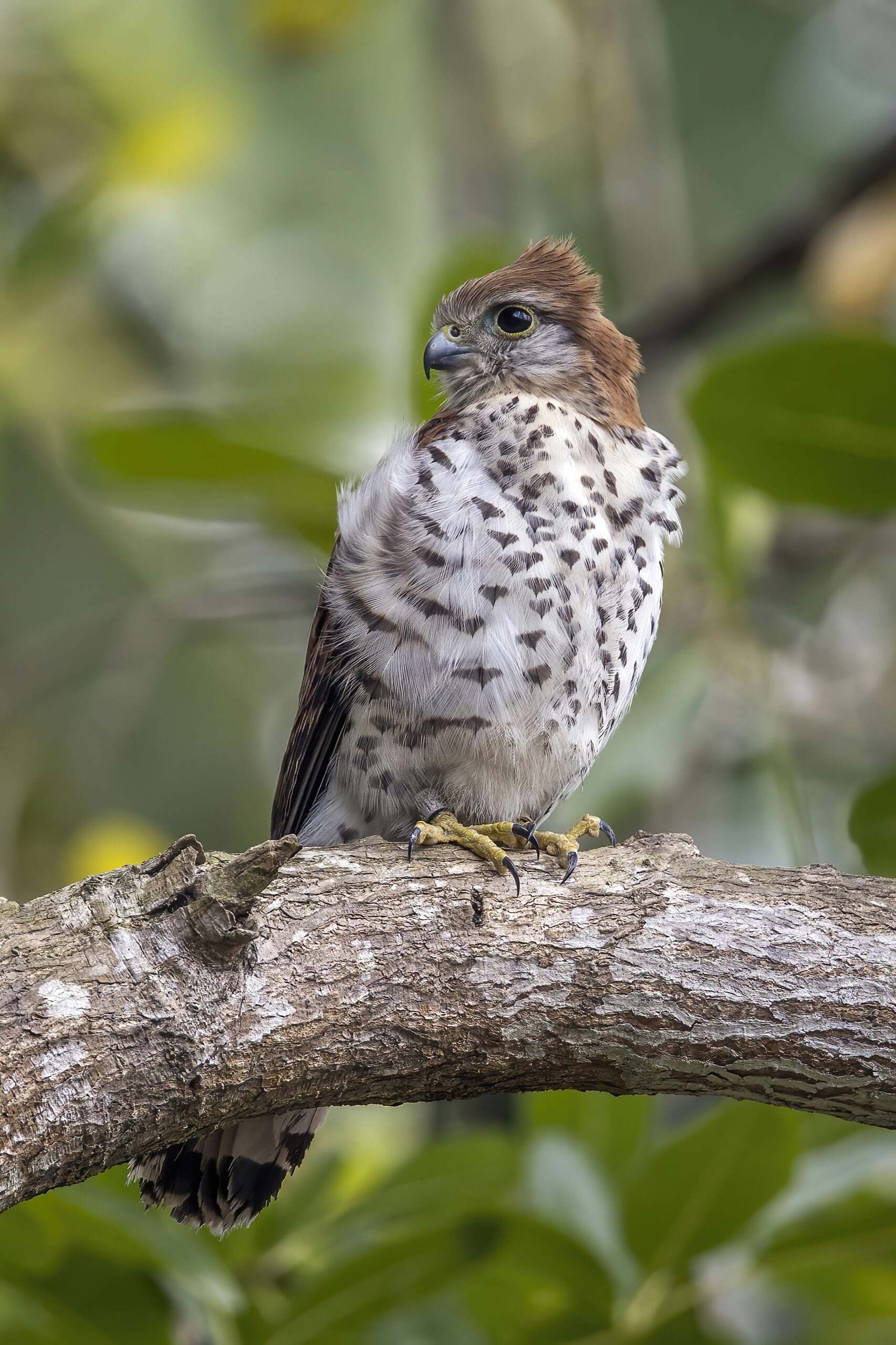
By 1974, only four wild Mauritius kestrels remained. Intensive captive breeding and subsequent reintroduction led to a wild population of around 400 individuals today, and the species has been downlisted from Critically Endangered to Endangered.
4. Echo Parakeet — Psittacula eques
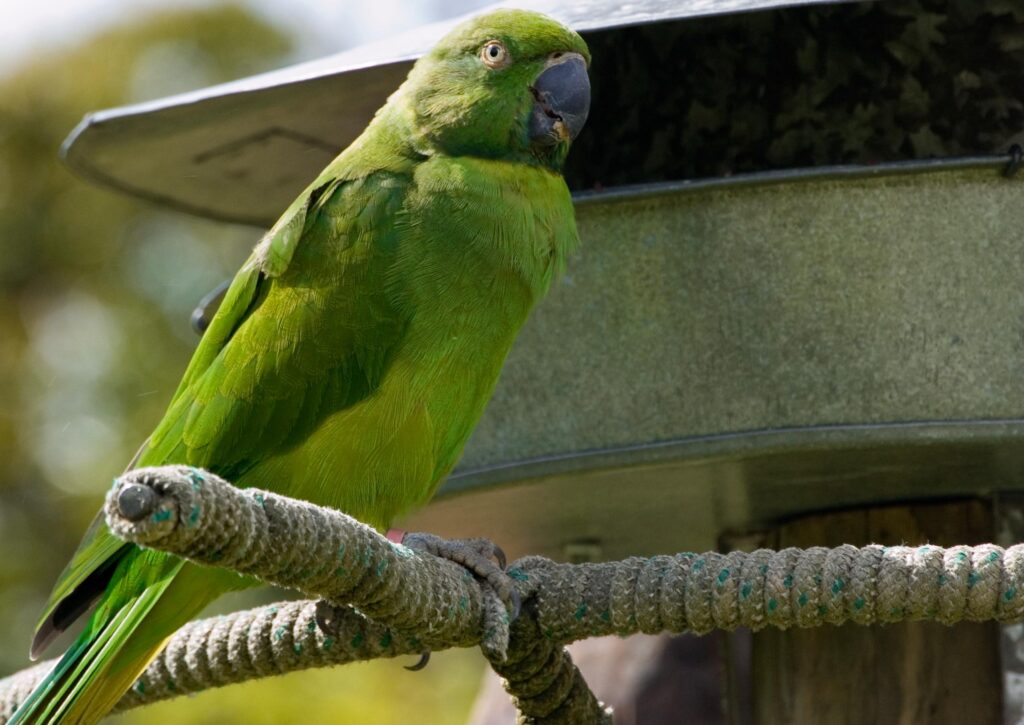
Reduced to around 10 wild individuals in the 1980s, the echo parakeet survived thanks to captive breeding and monitored releases. Over 700 birds now exist in the wild, highlighting the essential role of aviculture in species recovery.
5. Guam Rail — Hypotaenidia owstoni
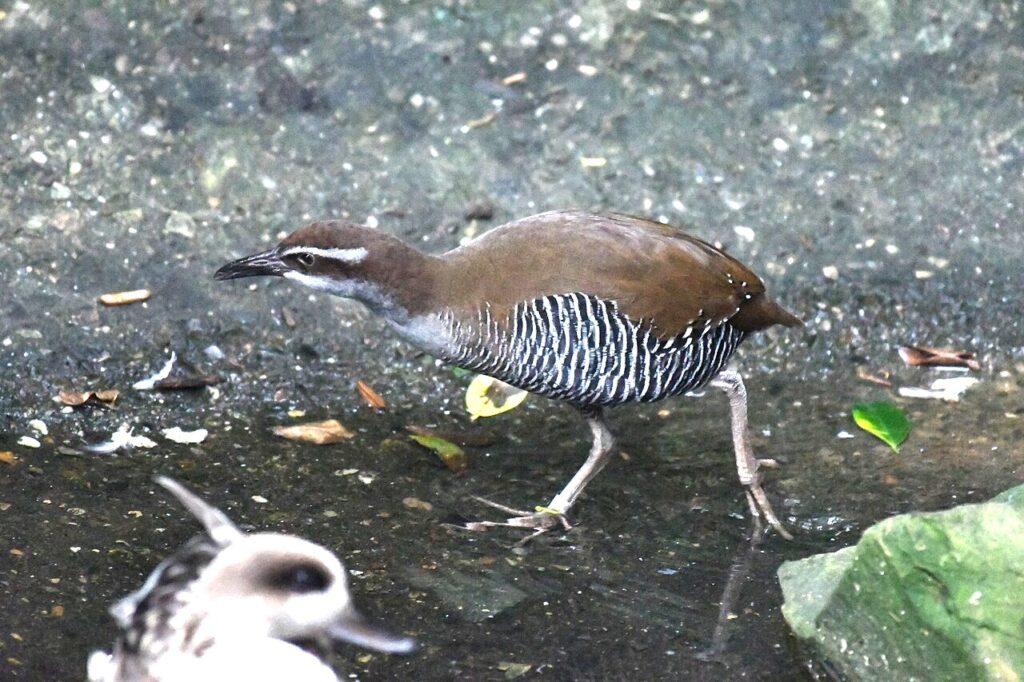
Extinct in the wild by the 1980s due to predation by invasive snakes, the Guam rail was preserved entirely through captive breeding. Carefully managed reintroductions to predator-free islands have ensured its continued survival.
6. Spix’s Macaw — Cyanopsitta spixii
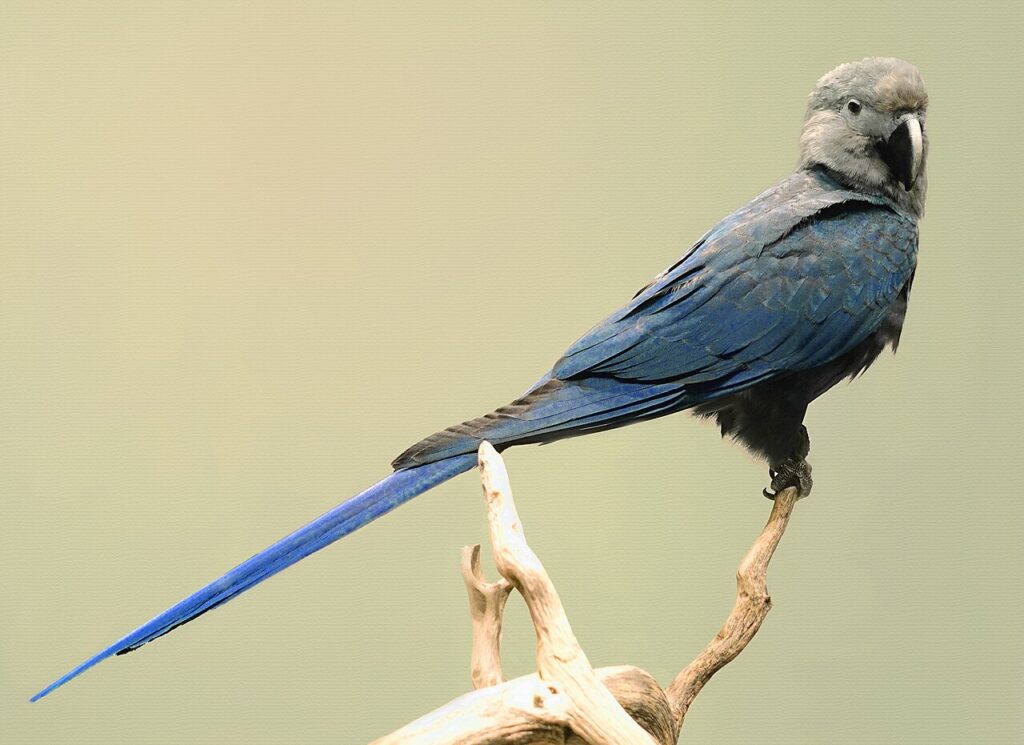
Extinct in the wild, Spix’s macaw survives only through global captive breeding programs. Fewer than 200 birds remain, demonstrating that the species’ continued existence depends entirely on aviculture.
7. Black Robin — Petroica traversi
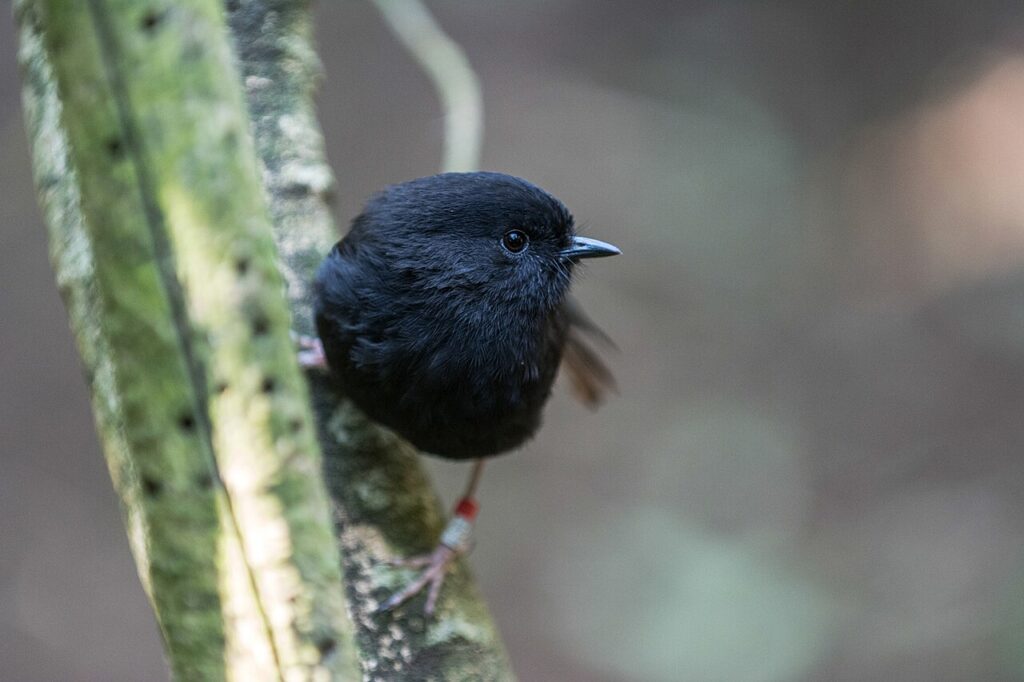
Reduced to five individuals in New Zealand, the black robin survived thanks to intensive managed breeding, including foster-rearing and egg swaps. The population now exceeds 280, exemplifying a success story driven entirely by aviculture.
8. Socorro Dove — Zenaida graysoni
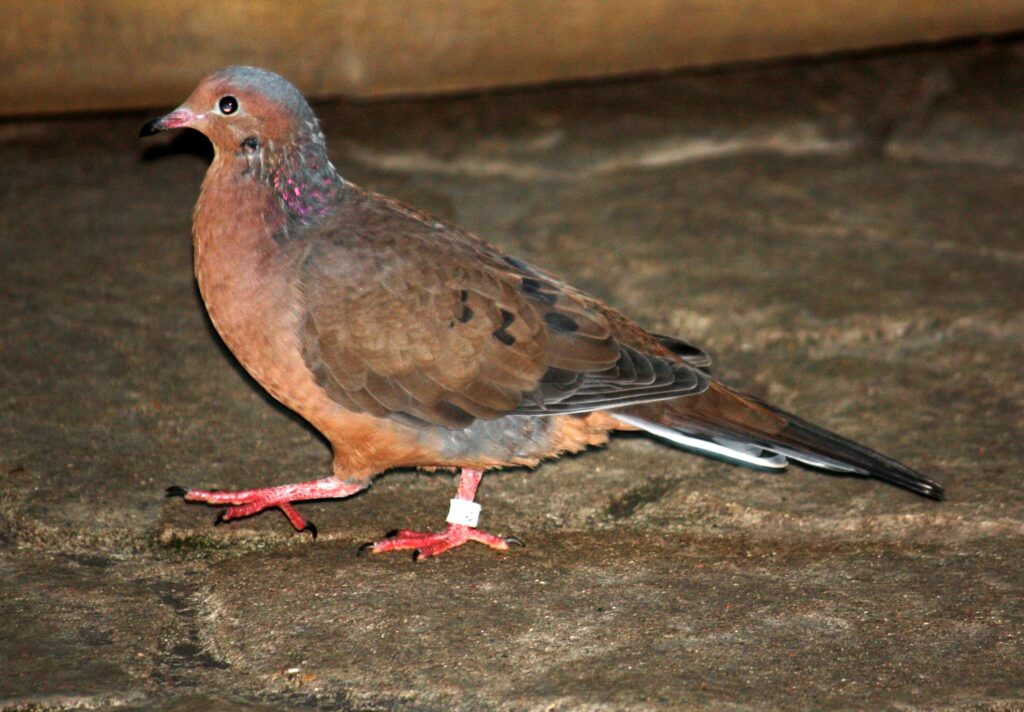
Extinct in the wild, the Socorro dove continues to survive only in captive collections, with the potential for future reintroduction, showcasing the critical role of aviculture in preventing total extinction.
9. Puerto Rican Amazon — Amazona vittata
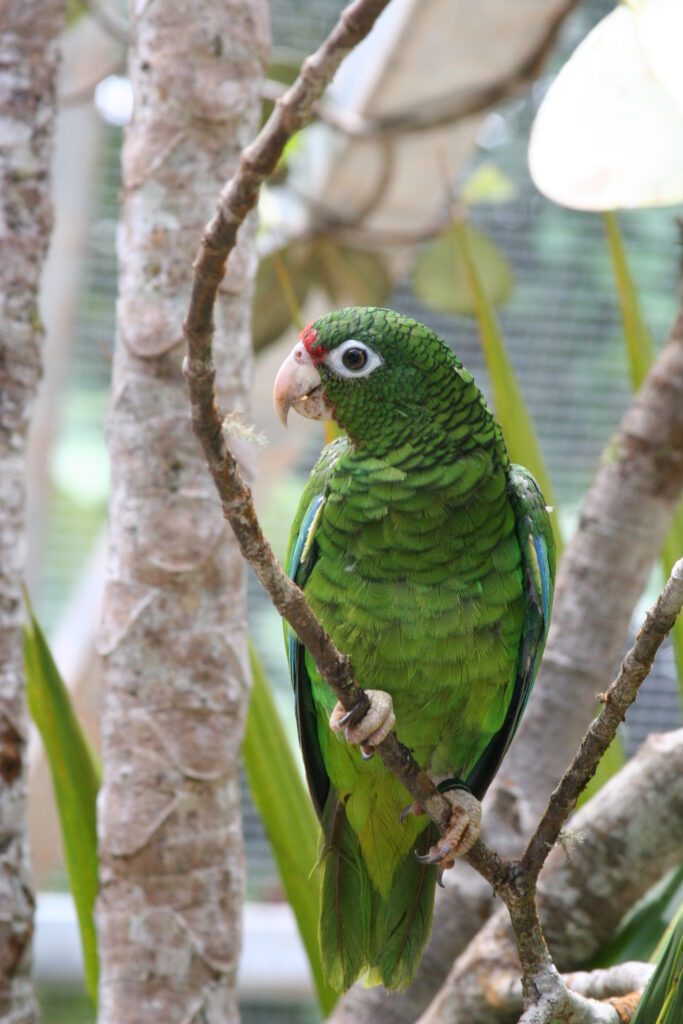
Population decline in the mid‑20th century reduced the Puerto Rican amazon to fewer than 50 individuals in the wild, but captive breeding supplied birds for reintroduction programs; today the combined wild and captive population numbers around 700, highlighting the essential role of aviculture in the species’ recovery.
These species collectively highlight the indispensable role of aviculture in modern conservation. Without careful breeding, rearing, and management in captivity, these species would likely have vanished. Their recoveries demonstrate that aviculture is not only a tool for hobbyists but a vital mechanism for preserving biodiversity. The careful work of aviculturists and conservationists remains critical to ensuring that these species continue to thrive for generations to come.