Kolibris – Fliegende Edelsteine: A Journey into the World of Hummingbirds
One of the best book i have ever read and also one of my favorites is Kolibris – Fliegende Edelsteine (Hummingbirds – Flying Gemstones) by Walter Scheithauer. It was first published in German language in 1966. English edition was published a year later in 1967.
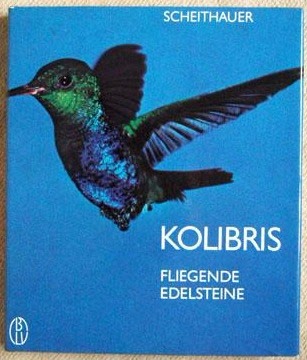
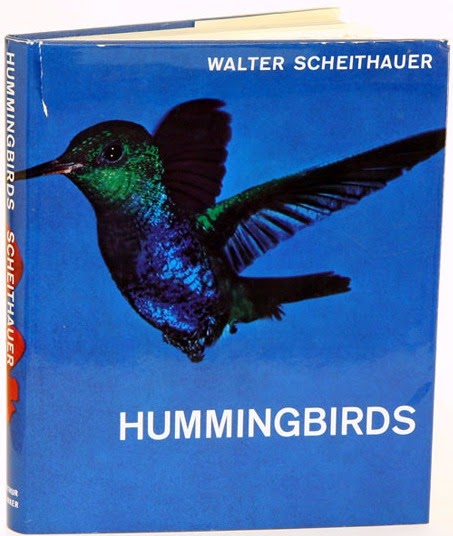
Mr. Walter, who was from Germany, managed to keep some of the most beautiful species of hummingbirds from South America. Reading about his adventures with these little flying jewels is just fascinating. His pictures of hummingbirds published in this book are also among the finest i have ever seen.
Some of pictures from Mr. Walter’s book:
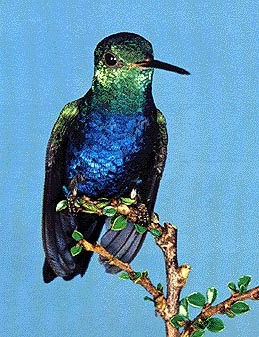
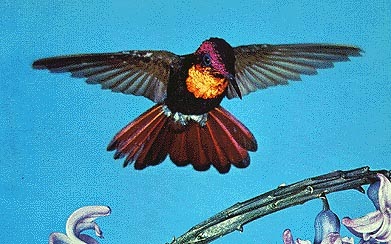
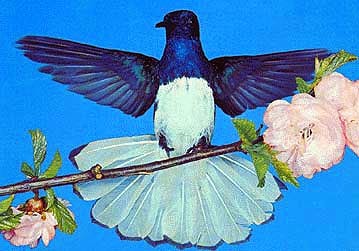
Back in 1960s, there were no digital cameras and no wonder it was very expensive for the author to take colorful photos of highest quality of these tiny fast birds who can beat their wings up to 80 times per second !
My favourite bird families are nectar-feeding sunbirds of the Old World and hummingbirds of the New World which both feed on the nectar of flowering plants along with small insects. As compared to parrots or finches, they are not common in aviculture. There are very few people in Europe who are keeping and breeding hummingbirds.
Most notably, Mr. Jacques Ducros from France is breeding many species of hummingbirds. Since 1994, Mr. Jacques has been licensed by the French government to possess and breed hummingbirds. Fascinated by them since childhood, he currently has about 100 hummers of different species in a very large aviary built onto their home in Pont de l’Etoile, near Marseilles in the south of France.
Sunbirds are also kept by very few people, mostly in Europe and Asia. In Southeast Asian countries, they are quite popular as songbirds. Currently, there is a Special Interest Group in The Avicultural Society (UK) led by Mr. Joe Wood who specializes in keeping sunbirds.
There should be a research and conservation organization for endangered species of Nectarivores birds that are on brink of extinction due to habitat loss (deforestation, logging), climate change and other factors including captive breeding projects of the species that are declining rapidly in their native habitats.
Mohsin Awan
