The History and Evolution of Aviculture
What a sad place this world would be without birds, their charming sounds and melodious songs.
Keeping birds as pets dates back to thousands of years.
- Birds were kept by the people in Neolithic Era as far back as 10,000 years ago. Domesticated pigeons were first depicted in pictographical writing on clay tablets in the Mesopotamian period dating back to 5,000 years ago.

- Ancient Egyptians, Greeks and Chinese kept pigeons, parrots and pheasants respectively. The first document of parrot as a pet was found in Rig Veda, an ancient Indian literature written more than 3000 years ago.
- The Egyptians and the Persians first used carrier pigeons some 3,000 years ago. Similarly, Romans used pigeon messengers to aid their military over 2000 years ago. Romans also used mockingbirds in the entryways of their homes to announce visitors and Ravens were a prized possession for them for their ability to talk.
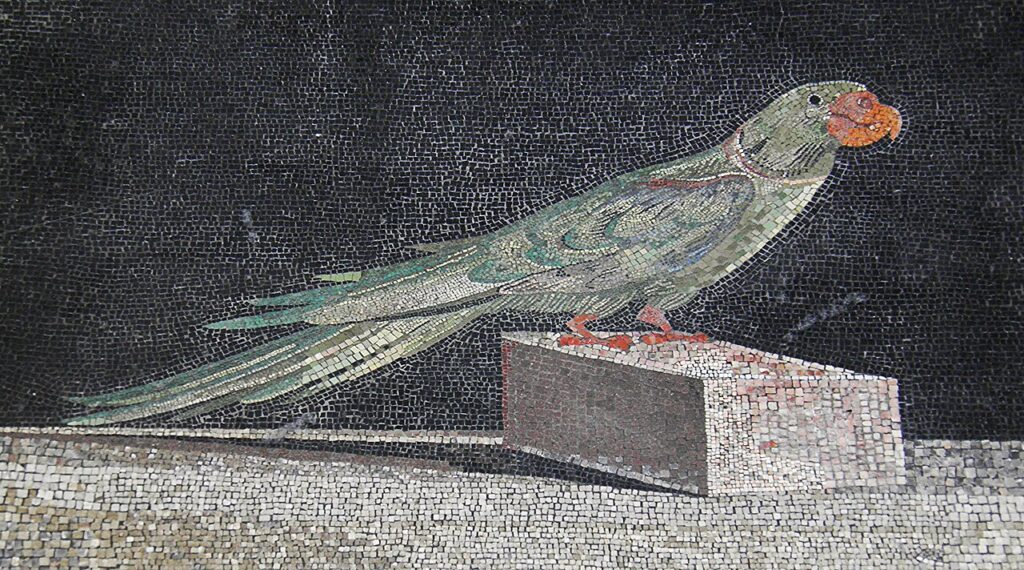
- In 327 B.C. Alexander the Great first took ring-necked parrots into Mediterranean and European countries from the Punjab region of Indian Subcontinent. (Alexandrine parakeet is named after him).
- In medieval Europe, bird keeping was mostly for the wealthy royals. Charles V of France had decorative bird cages made out of gold and silver filled with birds of enamel and precious metals, set with the finest gems.
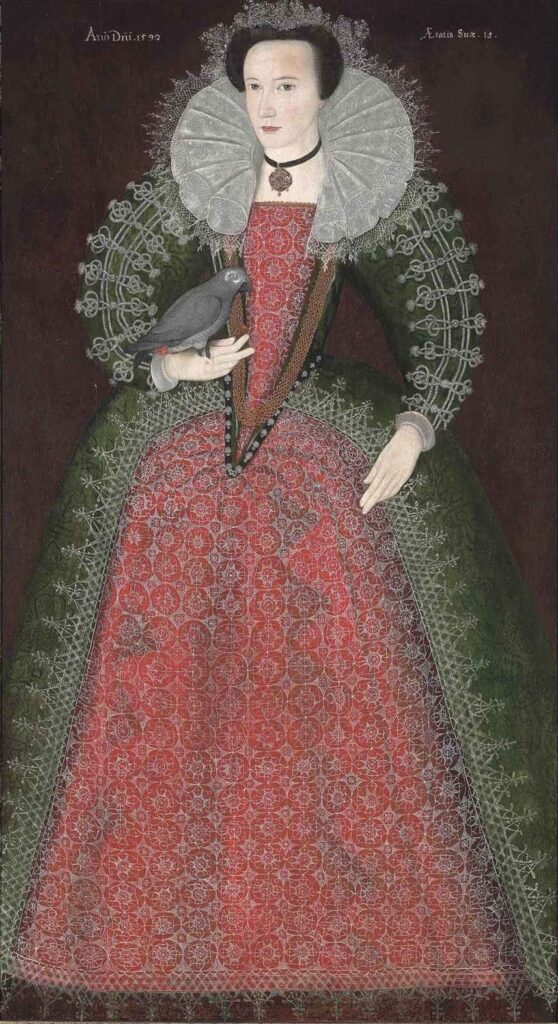
- Talking parrots were so highly regarded that in 1418, Pope Martin V appointed two persons as parrot keepers. In 1493, Christopher Columbus on his return from South America brought Queen Isabella I of Spain a pair of Cuban Amazon parrots. King Henry VIII (1509 – 1547) of England also kept a talking African grey parrot.
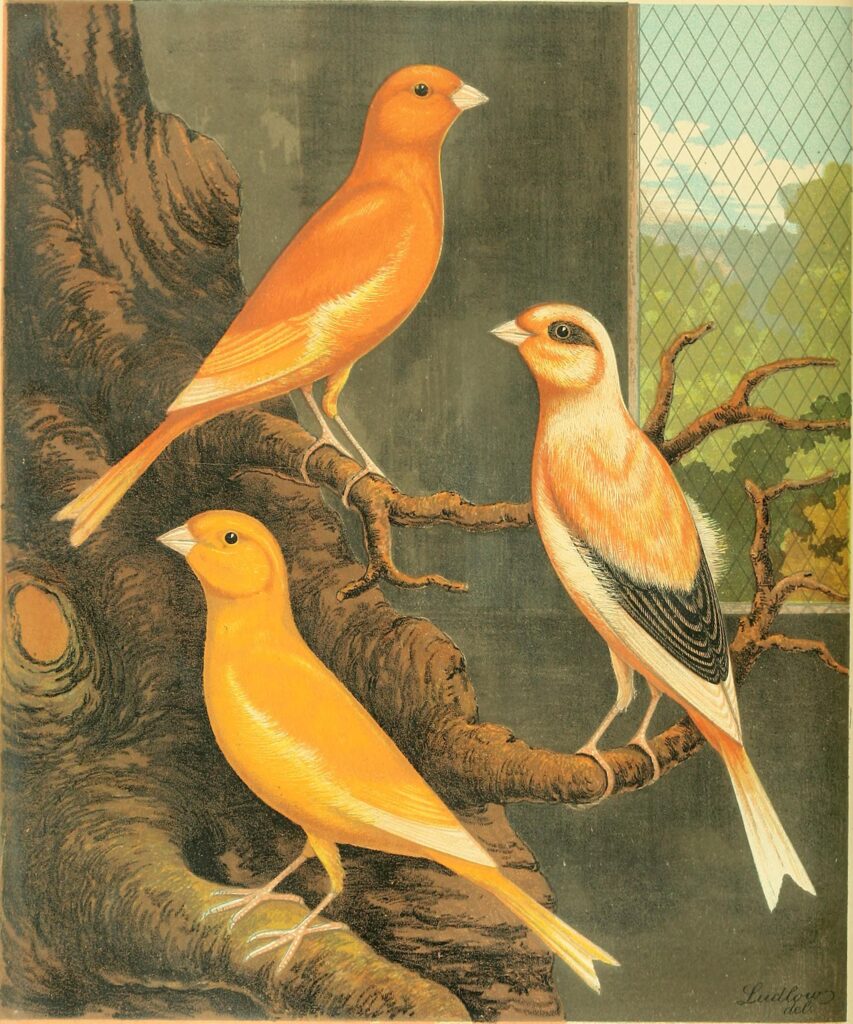
- Java Sparrows were very popular as cage birds during the Ming Dynasty in China. Canaries, on the other hand, were prized as status symbols and luxury pets in Europe about 500 years ago, with the canary craze reaching its peak in the 19th century when fancy breeding and exhibitions flourished.
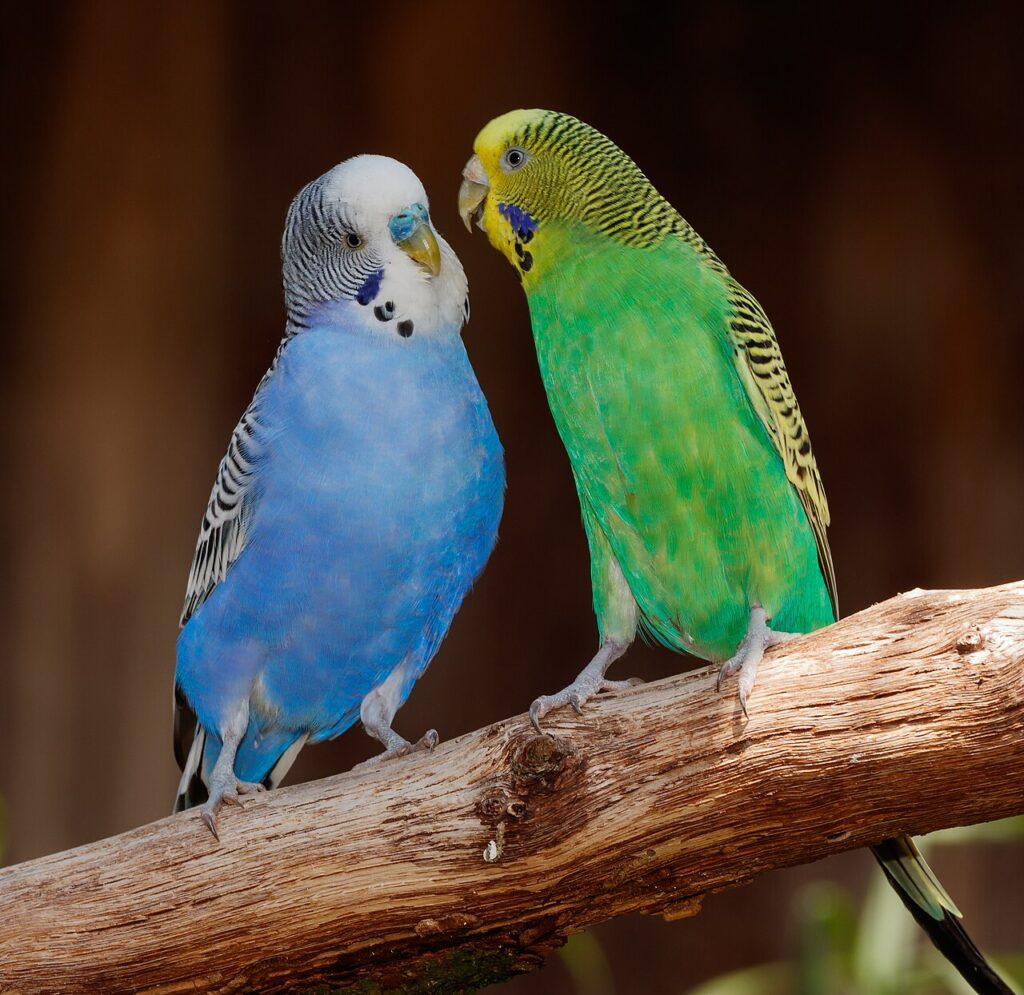
- During the 1800s, budgerigars were introduced to England and middle-class English families, being captivated by these friendly colorful new pets started to keep them. With the turn of the nineteenth century, more easily affordable birds became available.
In the past couple of decades, Aviculture has changed from just a hobby to a whole new science. Today, there are avicultural societies present throughout the world. These societies are great source for exotic bird keepers, breeders, researchers, vets, enthusiasts, and anyone interested in avian care to exchange knowledge, experience, information and best practices.
Now scientific methods are widely used in breeding, feeding, housing and health of the birds. There are hundreds of color mutations of various species of birds.
Aviculture literally means “the culture of birds”, or the proper care, housing, and feeding of birds. According to American ornithologist Dr. Jean Théodore Delacour:
“Aviculture is a worldwide hobby of keeping and breeding numerous species of wild birds in captivity to maintain their numerical status in nature with a view of forestalling their extinction by supplying aviary raised stock.”
